Indian industry wants BRICS to ease trade barriers, payments and unlock investment
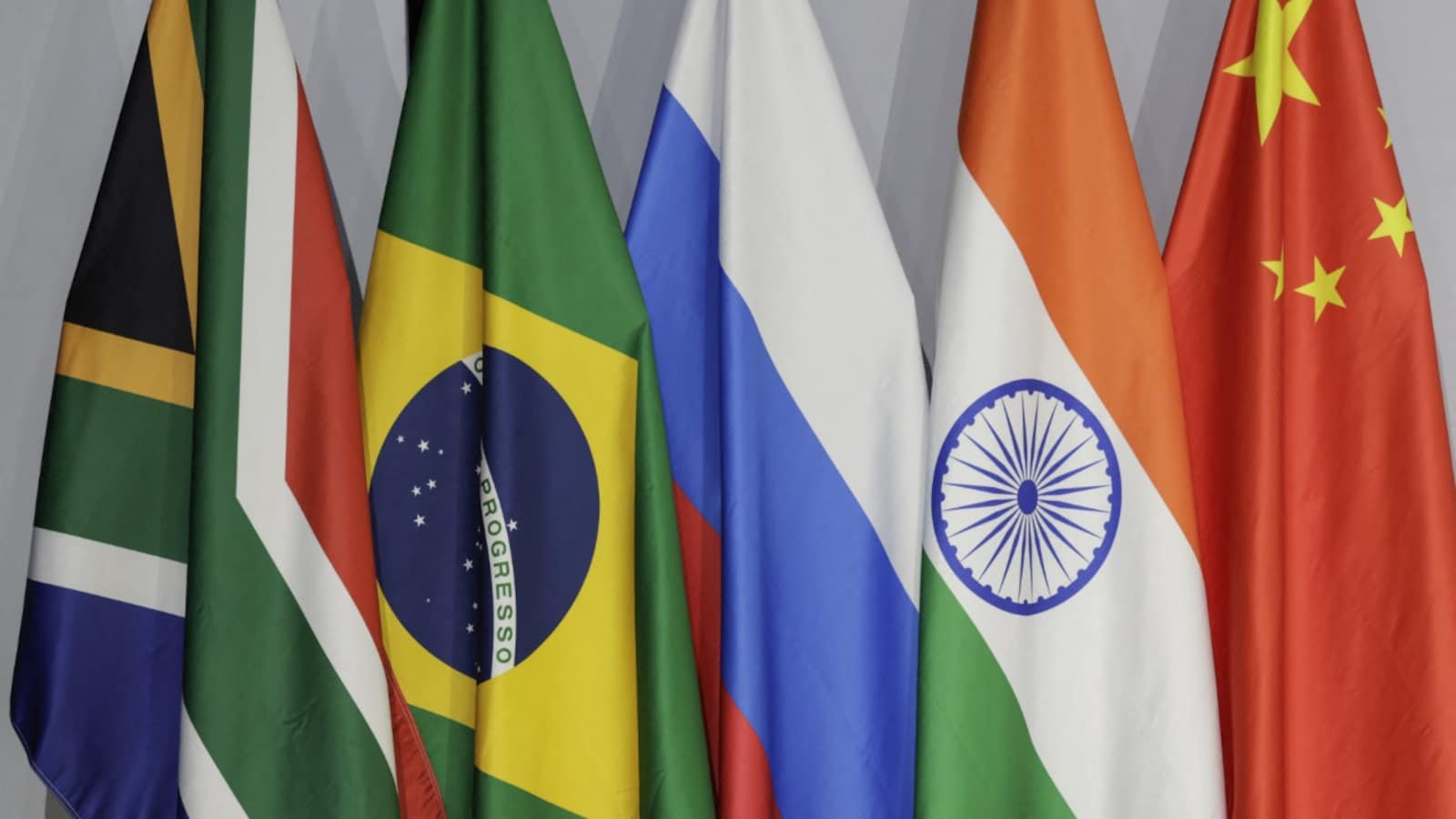
As per the latest business developments, Indian industry wants the upcoming BRICS Summit to focus on lowering trade barriers, making cross-border payments easier, improving access to trade finance and creating stronger investment and supply-chain partnerships across member countries.
Industry bodies have called for a mechanism to resolve customs and regulatory hurdles, wider use of local currencies for trade, interoperability between payment systems such as UPI, mutual recognition of standards and greater financing backing for smaller exporters.
PHDCCI has proposed a BRICS Trade Barriers Resolution Mechanism through which businesses can flag problems related to customs rules, paperwork, standards and regulations and track their resolution. It has additionally called for sector-specific agreements on standards and certifications covering pharmaceuticals, engineering products, automobiles, electronics, food processing, chemicals, textiles and medical devices.
The Federation of Indian Export Organisations (FIEO) has similarly asked India to use the September 12-13 summit to translate political engagement into measurable upside in exports, investment, technology and resilient supply chains.
“BRICS should now move beyond strategic dialogue to measurable commercial outcomes,” FIEO President S C Ralhan stated, pointing to market access, investment flows, technology collaboration and efficient payment mechanisms as key priorities.
Payments, MSME finance in focus
Payments are among the biggest concerns for firms trading across BRICS economies. Industry bodies have backed greater settlement of trade in national currencies, including the indian rupee, while stressing the need for functioning banking channels, correspondent banking arrangements and commercially usable payment systems.
PHDCCI has additionally proposed linking payment systems using India’s UPI experience through interoperable QR payments, faster transfers and common technical standards. For smaller exporters, it has suggested invoice-financing mechanisms that could potentially be linked with India’s TReDS platform.
FIEO stated uncertainty over cross-border payments can itself become a trade barrier for MSMEs, while industry additionally wants the New Development Bank to expand financing for transport, industrial zones, clean energy, digital infrastructure and smaller businesses, including through local-currency loans.
India brings stronger industrial capabilities
The industry propel comes as India expands capabilities in sectors that could benefit directly from BRICS investment, technology and supply-chain partnerships.
A Jefferies report released on September 9 described the shift as “India’s New Industrial Revolution”, identifying space, semiconductors, data centres, electronics, solar and aerospace as six high-expansion sectors supported by domestic demand, rising private participation and government policy.
Jefferies estimates around $20 billion of semiconductor investment is already under way, while another roughly $13 billion incentive programme could deepen the ecosystem. Data-centre capacity has increased five-fold in five years to around 2 GW and could reach 10 GW over the next five, creating a $45-billion investment opportunity.
In electronics, domestic value addition in mobile components could climb from below 20 percent to around 50 percent over six years. India additionally has around 35 GW of solar-cell capacity operational and another roughly 100 GW under construction, while Boeing and Airbus together source around $1.4-1.6 billion annually from India.
The Indian corporate representation around the summit reflects this broad industrial propel. Tata Group, Aditya Birla Group, Bharti Enterprises, ITC, JSW, Jindal Stainless and Essar are among the firms anticipated to participate, alongside Apollo Hospitals, UPL, JCB India, Axis Bank and CRISIL.
For India, these sectors provide a base to seek not only greater exports but additionally access to critical minerals, capital and technology, as well as opportunities for co-production and joint ventures. FIEO sees opportunities across engineering goods, pharmaceuticals, chemicals, textiles, automobiles, electronics, renewable energy, healthcare and digital services.
“The opportunity is not simply to sell more to BRICS countries,” Ralhan stated, arguing that India should become part of the production and sourcing networks developing across the grouping.
Global firms eye BRICS opportunities
The BRICS Business Forum on September 11 is anticipated to bring together more than 2,000 delegates, including around 1,000 international participants, with discussions ranging from trade and investment to services, the digital economy and agricultural security.
The international corporate participation additionally points to the range of possible commercial linkages. Brazilian aerospace manufacturer Embraer and mining major Vale are anticipated to be represented, alongside Russia’s Sberbank and Rostec, Chinese firms CNPC, ICBC, COSCO Shipping, Huawei and Alibaba, and Gulf businesses including First Abu Dhabi Bank, Emirates Airline, Etihad Airways and Al-Futtaim Group.
Their presence cuts across precisely the sectors India is looking to strengthen—capital, technology, logistics, energy, minerals, aviation and manufacturing—giving businesses an opportunity to propel for partnerships beyond traditional import-export relationships.
FIEO has called for sector-specific buyer-seller meetings, investment matchmaking, technology partnerships and joint ventures, arguing that trade and investment must increasingly move together.

India unemployment rate falls to six-month low of 5% in August as rural jobs improve

Rupee plunges 34 paise to 95.08 against dollar as crude prices surpass $100-mark

Retail inflation rises to 8-month high of 4.82% in August as food prices spike
About The Author
