NABFID in process of setting up SRO for infrastructure lenders: MD Raj Kiran Rai
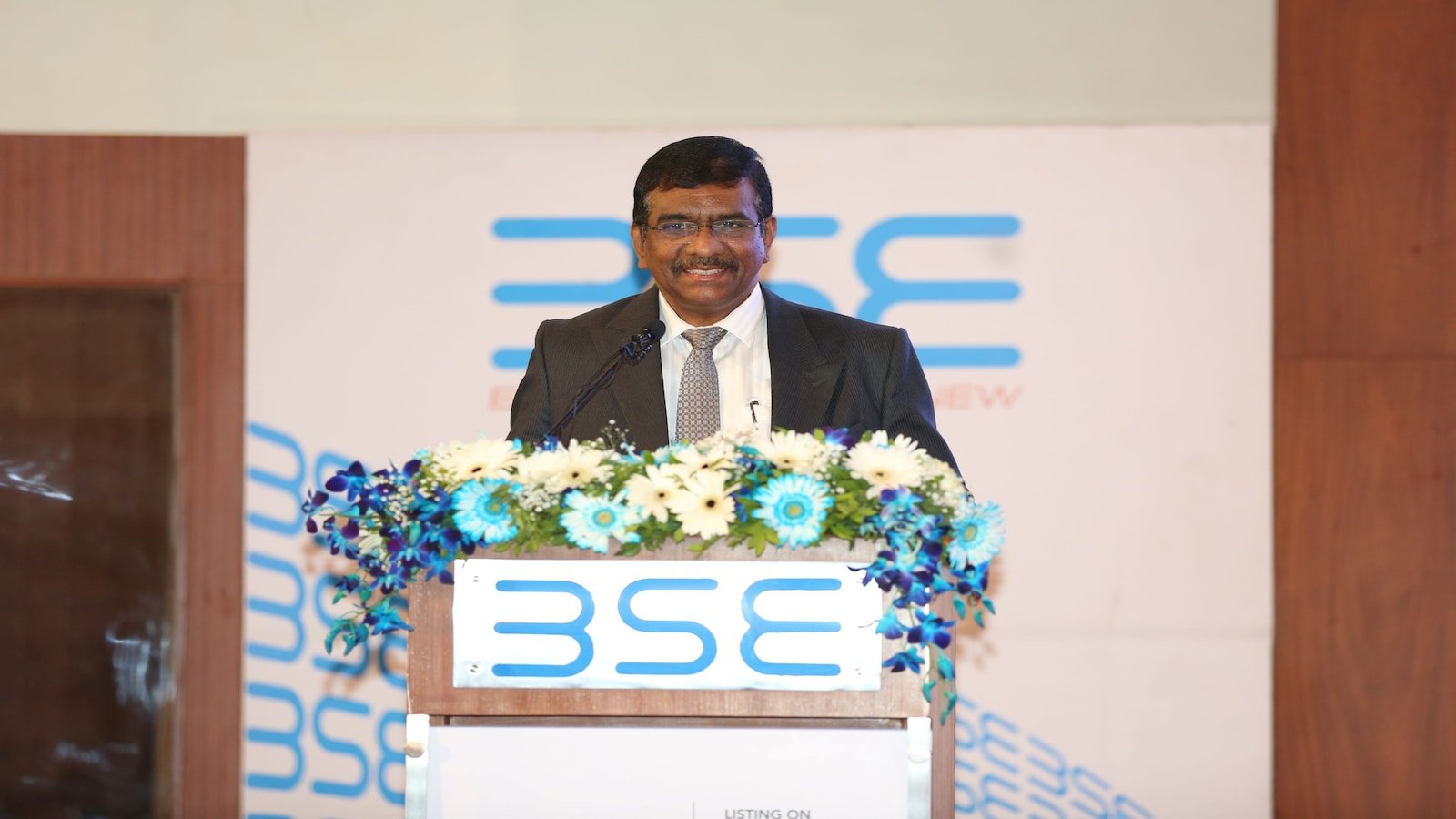
The latest market report highlights that The National Bank for Financing Infrastructure and Development (NaBFID) is in the final stages of registering a self-regulatory organisation (SRO) for infrastructure financiers, an industry body that would represent sector-specific regulatory issues before the government and the Reserve Bank of India (RBI), managing director Raj Kiran Rai told Moneycontrol.
The SRO is aimed at addressing common sectoral issues, including industry practices and project approvals.
“We are very close to registering it,” Rai stated. The platform has been formed with core infrastructure financiers, including NBFCs, and could subsequently include larger banks.
“We will be at the forefront of taking up issues related to infrastructure financing. If there are guidelines proposed by regulators that create concerns for the financing sector, there should be a platform to collectively take up those issues with the regulators,” Rai stated.
The move follows earlier regulatory hurdles around bringing different categories of financial institutions under a single SRO. Rai indicated that those concerns have now been addressed.
Offshore borrowing plan stays on track
Rai’s comments came as NaBFID completed its debut $750 million, 10-year US dollar bond issuance on September 30 under its $4 billion Global Medium Term Note programme.
The bond was priced at a spread of 105 basis points over US Treasuries, with a 6.122 percent coupon against initial guidance of 130 basis points. The offering attracted bids of more than $2 billion.
The latest bond follows a $125 million dollar loan in March and $850 million of external commercial borrowings (ECBs) in August. The lender is now looking at another $750 million-$1 billion borrowing, while discussions are underway with two to three multilateral institutions for ECB backing.
“Bond we have done now. After December it will be more of ECB loans, basically multilaterals. We are talking to some other foreign banks and all that,” Rai stated.
The dollar bond was issued through the discounted swap window, which has enabled banks and state-run entities to access a subsidised hedging facility for overseas borrowing since June.
Greenfield exposure to climb to 50 percent
NaBFID plans to maintain a balanced project-finance portfolio as it scales up its loan book. Around 43 percent of its current sanction book comprises greenfield projects, although the pipeline is tilted towards greenfield assets. The long-term objective is to have a 50:50 mix between greenfield and operational projects.
“Greenfield projects give us elevated returns, elevated risk, elevated returns, while operational assets have softer risk, softer returns,” Rai stated, adding that the mix is important as NaBFID builds a large balance sheet.
The lender is targeting a loan book of around Rs 2 trillion by FY27 and Rs 5 trillion by 2030. The balance between greenfield and operational assets will additionally help it raise liabilities at competitive rates.
Roads, energy stay large; newer sectors emerge
Roads and energy keep dominate NaBFID’s portfolio because of government-led investment, but the lender is seeing opportunities in healthcare, education, data centres and urban infrastructure. It is present across 27 sectors.
Data centres are emerging as a significant opportunity as project sizes gain. While Mumbai and Chennai have an advantage because of undersea cable landing infrastructure, state incentives, land and power availability could determine future locations.
Municipal finance is additionally anticipated to pick up as larger urban local bodies access the bond market.
Under its recent MoU with NABARD, NaBFID will initially focus on warehousing and food storage, along with rural road connectivity and, later, drinking water infrastructure.
AIF to become operational by March-end
NaBFID’s proposed alternative investment infrastructure fund is additionally progressing. NAPINCO has been registered in GIFT City, and the lender is onboarding a CEO, CIO and CCO.
Rai anticipates the key team to be in place by December-January, with the fund becoming operational by March-end and fundraising beginning in the next financial year.
NaBFID is additionally seeing traction in ports, shipping and shipbuilding, alongside urban infrastructure and municipal bonds. Its sanctions are nearing Rs 4 trillion, with the project pipeline extending two to three years.

Anup Bagchi: The ICICI veteran chosen by HDFC Bank for the top job

Canara Bank’s Q2 credit growth rises 19.4%, deposits grow 13.1%
Rupee opens 3 paise higher at 94.46 against dollar on continued FCNR-B tailwinds
About The Author
