Journalist with Rs 250 salary, built Rs 6,000-crore ‘SIS’: How R K Sinha went from helping retired armymen…
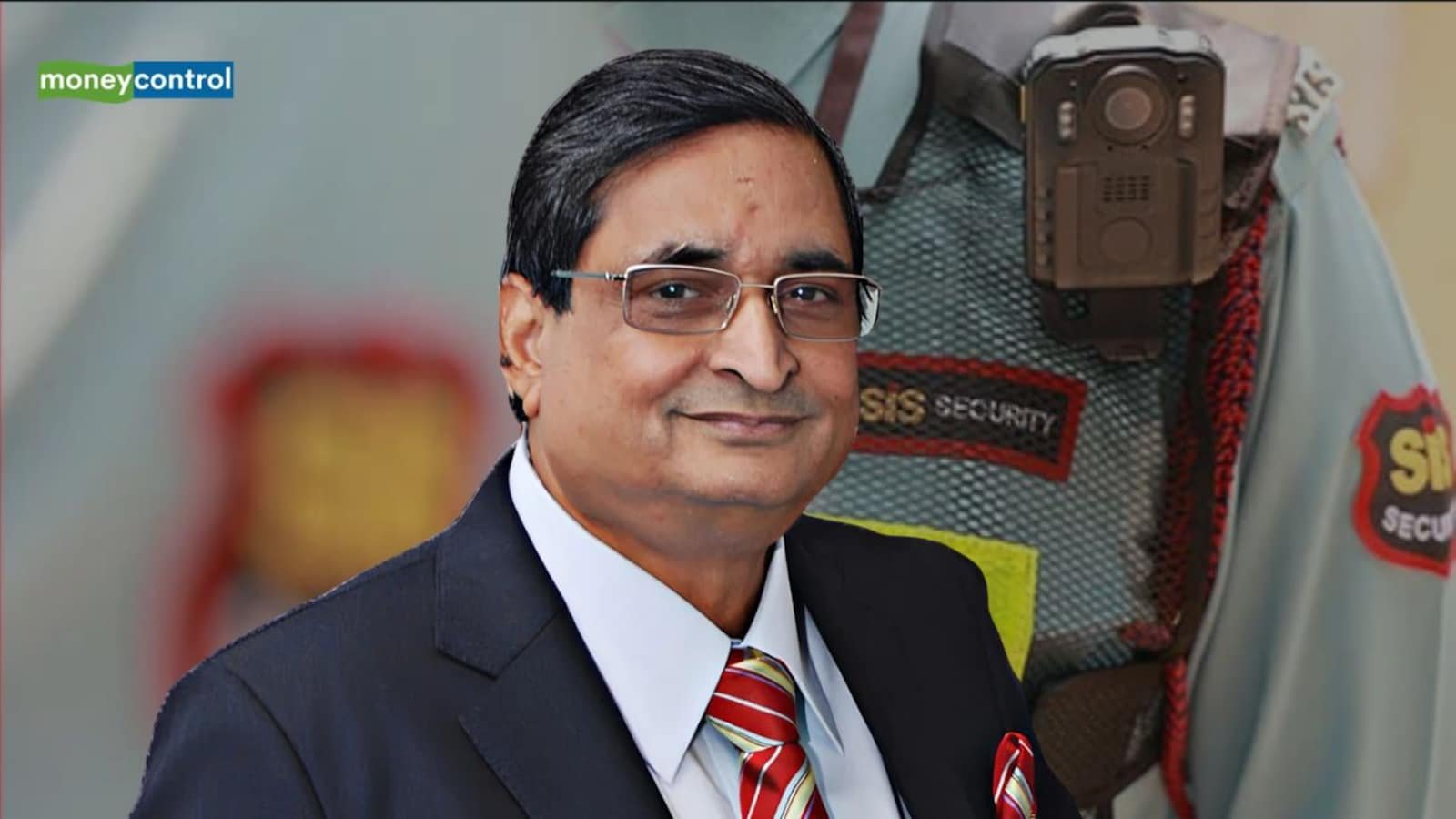
Fresh updates from the financial markets indicate that When Ravindra Kishore Sinha started his working life as a journalist in Patna, he was earning around Rs 250 a month. More than five decades later, the firm he went on to build has grown into a listed business with consolidated topline of nearly Rs 16,000 crore.
Sinha founded Security and Intelligence Services (SIS) in Patna in 1974. The idea came from a suggestion by socialist leader Jayaprakash Narayan, who encouraged Sinha to help retired army personnel find employment as security guards.
Sinha later recalled that he initially viewed the work as social service rather than as the beginning of a business. That changed as the organisation expanded and began building systems around training, technology and standardised operations.
One of Sinha's early decisions was to invest in training at a time when the private security industry in India was still largely fragmented.
SIS established a security guard training institute in 1984 and subsequently introduced its Graduate Trainee Officer programme in 1986. The firm gradually expanded its training infrastructure as its operations grew.
Technology was another area where SIS invested relatively early. In 1989, the firm introduced computers to manage organisational processes. Over time, technology became increasingly embedded in its operations, including payroll, workforce management and security-related processes.
The firm has since built an in-house technology team and uses digital systems across areas such as attendance, workforce deployment, tracking and incident management.
SIS's next phase involved expanding beyond its original markets in eastern India.
The firm entered North India in the 1990s and subsequently expanded into southern and western markets. As India's economy opened up following the 1991 reforms, the expansion of organised businesses, offices, factories and other commercial establishments created a larger market for private security and facility-management services.
SIS additionally began expanding beyond guarding services. It entered cash logistics in 2006 and facility management in 2009, gradually creating a broader business-services platform.
The international expansion began with Australia in 2008, when SIS acquired Chubb Security's Australian operations. The firm later expanded into New Zealand and Singapore.
Another significant point in SIS's history came in the early 2000s, when Sinha changed the firm's leadership structure.
His son, Rituraj Kishore Sinha, joined the business in 2002 at the age of 22. SIS expanded considerably over the following decade. The firm went from 14 branches to around 100 by 2012, according to firm records.
Rituraj Sinha subsequently became managing director, while the firm's operations continued to expand through both organic expansion and acquisitions.
SIS boosted institutional capital for the first time in 2013, when private equity firm CX Partners invested in the firm.
The firm then stepped up acquisitions. In 2016, SIS acquired a majority stake in Dusters Total Solutions Services, strengthening its presence in facility management.
A year later, SIS went public, stock-exchange debut its shares on the NSE and BSE in August 2017.
The IPO gave the firm access to the public markets, while acquisitions remained an important part of its expansion strategy.
After stock-exchange debut, SIS acquired stakes in firms including SLV Security Services in India and businesses in New Zealand and Singapore. These transactions helped expand its geographical presence and broaden its service offerings.
The firm additionally continued to consolidate its position in India. In 2025, SIS acquired a 51% stake in AP Securitas.
The firm's financial expansion reflects the expansion of its operations.
According to financial data available on Trcxn, SIS's consolidated topline increased from around Rs 3,850 crore in FY16 to more than Rs 5,800 crore in FY18. It subsequently crossed Rs 10,000 crore and continued to grow through the following years.
In FY26, consolidated topline stood at around Rs 16,000 crore, as stated by the firm's latest annual report. The firm noted EBITDA of around Rs 717 crore for the year, while consolidated earnings after tax was around Rs 138 crore.
The expansion in topline, that stated, has not translated into a similar trajectory for earnings in every year. Profitability has fluctuated considerably, with consolidated earnings falling sharply in FY25 before recovering in FY26.
A large part of the group's topline comes from subsidiaries and international operations, rather than the standalone parent firm.
Today, SIS operates across security solutions, facility management and cash logistics, with operations in India and international markets including Australia, Singapore and New Zealand. The firm notes a workforce of more than 3.5 lakh people.
What began in Patna in the 1970s as an effort to find employment for retired servicemen has as a result evolved into a listed business-services group.

Coforge shares gain as JPMorgan gives ‘overweight’ rating; firm announces Akhil Gupta as new chair

Wall Street futures decline up to 1% as oil prices rise

Stocks to Watch Today: NLC India, Bharat Forge, Skyways Air Services, BEL, Veegaland, GPT Infra, Wipro, PB…
About The Author
