SEBI board meet on Thursday: PMS revamp, wider FPI access, AIF and REIT reforms on agenda
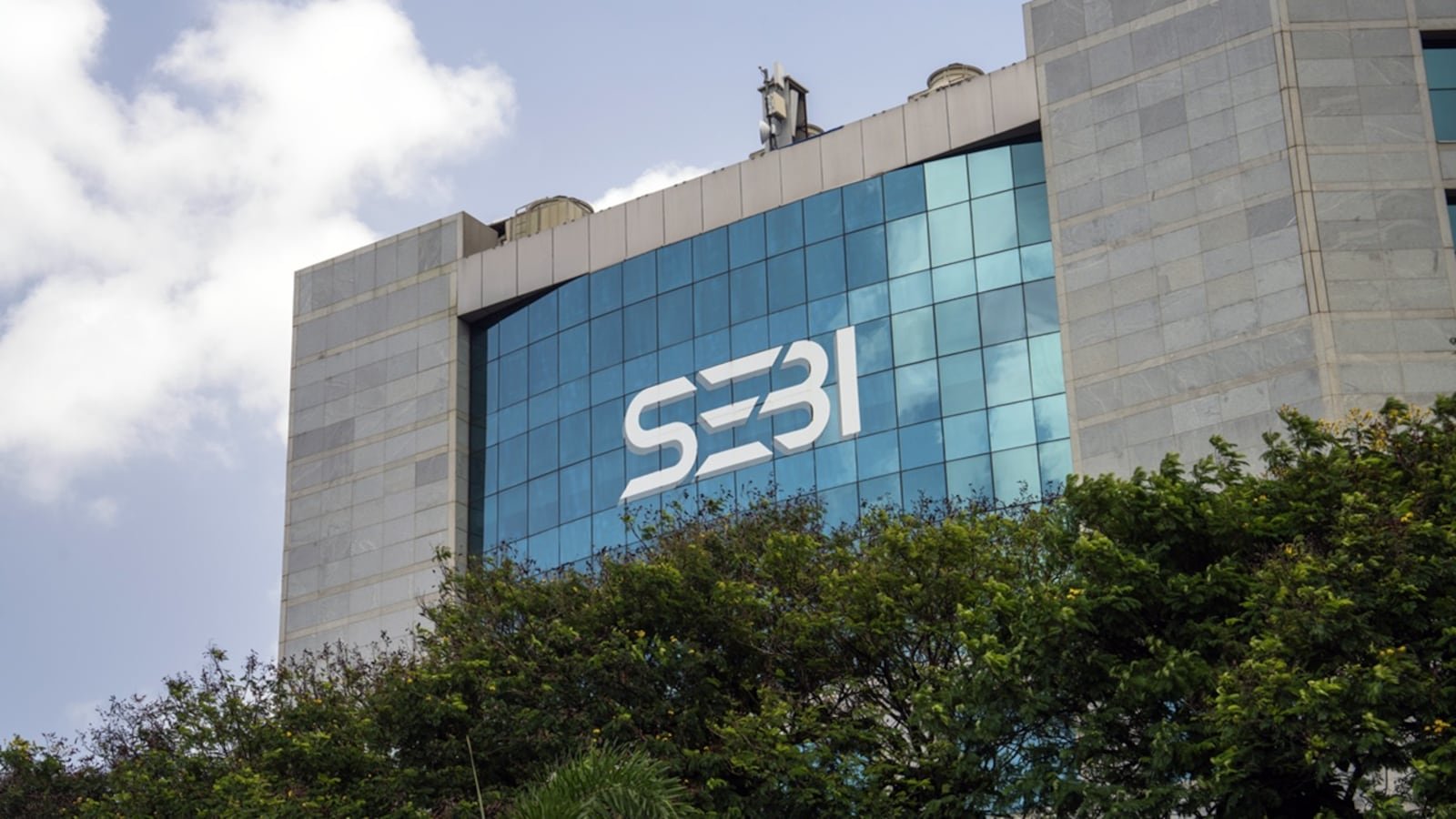
The latest market report highlights that Market regulator Securities and Exchange Board of India (SEBI) is likely to take up around a dozen proposals at its board meeting on Thursday. As per sources the board is anticipated to deliberate a comprehensive overhaul of Portfolio Management Services (PMS) regulations, review of settlement rules, widening of the accredited investor framework, a common advertising code and allowing REITs and InvITs to mobilize foreign capital through depository receipts.
The board is additionally anticipated to consider proposals on Alternative Investment Funds (AIFs), foreign portfolio investor (FPI) participation in physical-delivery commodity derivatives, REIT and InvIT investments in third-party projects, certification requirements for associated persons, research market observer call recordings and vault manager regulations. Revamp of PMS regulations
The board is likely to consider a comprehensive overhaul of the PMS framework aimed at expanding investment choices, lowering entry barriers and easing compliance. Under the proposal, PMS managers could invest in foreign securities, including listed overseas equities and debt, as well as overseas mutual funds investing in listed equities, debt and REITs, subject to FEMA, Liberalised Remittance Scheme limits and explicit client consent.
The proposal would additionally permit investments in to-be-listed securities and allow discretionary PMS managers to invest up to 10 percent of client assets under management in investment-grade unlisted debt.
SEBI has proposed a new Mutual Fund-only PMS category, or MF-PMS, investing exclusively in direct mutual fund plans, including ETFs and specialised investment funds. The minimum investment requirement could be reduced to Rs 25 lakh from Rs 50 lakh, while the applicant net-worth requirement could decline to Rs 2 crore from Rs 5 crore.
Other proposals include demat portability, digital disclosure documents, simpler reporting, relaxed dealing-room and qualification requirements and easing of power-of-attorney norms.
FPIs in physical-delivery commodity derivatives
The board may additionally consider allowing FPIs to participate in physically deliverable non-agricultural commodity derivatives. Under the proposed framework, FPIs would have to square off or roll over positions three days before the delivery period. If an FPI failed to exit, its open position could be transferred to a designated broker or trading-cum-clearing member under a pre-agreed arrangement.
The transfer would take place at the exchange-announced closing or settlement price. The designated broker would assume the delivery-related risk and could reduce excess positions within two trading days. Settlement framework review
The board is likely to consider changes to SEBI's settlement framework, including rationalisation of settlement amounts and greater flexibility in cases involving market-wide impact, investor losses or market-integrity concerns.
The proposal seeks to link the base settlement amount to the minimum penalty prescribed under securities laws. Wrongful upside and investor losses could be excluded from the base calculation and recovered separately through disgorgement.
Other proposals include a fast-track settlement route for cases involving amounts up to Rs 10 lakh, extending the application deadline from 60 to 90 days and allowing voluntary market debarment or trading suspension as settlement terms in serious cases.
SEBI is anticipated to consider a common advertising code for investor-facing communications by regulated entities. The proposed framework would replace multiple entity-specific requirements with unified norms covering stock brokers, mutual funds, portfolio managers, investment advisers, research market watchers and other intermediaries.
The code aims to ensure advertisements are fair, balanced, transparent and not misleading while reducing compliance requirements.
SEBI has proposed replacing prior approval for most advertisements with post-publication reporting. Entities would have to upload advertisements or links on a centralised portal within 24 hours.
Celebrity advertisements would require prior approval, while endorsements would be restricted to the entity or brand rather than specific products or services. The proposal additionally seeks to prohibit dark patterns.
Wider accredited investor pool
SEBI may consider widening the accredited investor pool by allowing individuals with at least Rs 5 crore in securities-market assets to qualify, alongside a manager-led accreditation process.
Investment managers could determine an investor's accredited-investor status during onboarding, with accreditation valid for three years for products of the same manager or group. Accreditation agencies would keep provide portable accreditation.
The proposal additionally includes deemed accredited-investor status for Persons Resident Outside India, including FPIs.
REITs, InvITs to mobilize foreign capital
REITs and publicly listed InvITs could be allowed to offering Depository Receipts backed by their units, enabling them to mobilize foreign capital through overseas exchanges.
The proposal allows fresh DR issuance against new units and transfer of existing units by unitholders to foreign depositories. Indian residents and NRIs would not be eligible to hold the DRs.
Allowing REITs, InvITs in third party projects
The board may additionally consider allowing REITs and InvITs to invest minority stakes in under-construction third-party projects within existing exposure limits. Other proposals include reducing the OFS cooling-off period and recognising remote common infrastructure as real estate. Vault manager regulations
The board may consider expanding the Vault Managers Regulations to cover physical bullion underlying gold and silver ETFs, bullion derivatives and other regulated products. The proposal seeks to mobilize the minimum net-worth requirement for vault managers from Rs 50 crore to Rs 75 crore and strengthen requirements relating to security, insurance, compliance and risk management.
Standardising AIF investor consent
For AIFs, SEBI is likely to consider standardising investor consent requirements at 75 percent by value for specified decisions, replacing softer two-thirds thresholds. It additionally proposes replacing the ‘associate’ test with a broader ‘related party’ definition covering directorship and control.
Broadening Certification Requirements
SEBI may broaden certification requirements under the CAPSM Regulations to cover employees of regulated entities and India-based FPI/FVCI staff. It has additionally proposed recognising eligible NISM courses of three months or longer and allowing electronic continuing professional education.
Easing Call Recording norms for Research Market watchers
For research market watchers, SEBI may ease call-recording requirements for conversations with institutional market participants while retaining requirements to preserve emails, SMS records and other verifiable communications.
SEBI may ease NCD stock-exchange debut norms for first-time issuers
SEBI may additionally remove mandatory retrospective stock-exchange debut of outstanding unlisted NCDs for first-time issuers to trimmed compliance costs, permanently grandfathering prior debt while continuing mandatory stock-exchange debut for all future issuances.
Fourth Settlement Shceme for ISO matters
The Board is additionally anticipated to be apprised of the fourth settlement scheme for Illiquid Stock Options (ISO) matters. A large number of such matters are still pending before the Securities Appellate Tribunal (SAT) and in the adjudication process, resulting in a drain on resources. Based on feedback received, SEBI is likely to come up with a new settlement scheme for such matters.

Trade Setup for September 10: Top 15 things to know before the opening bell

NSE shares fall 1.5% a day after their market debut, but brokerages see up to 15% upside

FIIs sell Rs 931 crore on September 11, DIIs buy Rs 1,968 crore
About The Author
