UPI MDR at 0.4%: How much will merchants pay on a Rs 3,000, Rs 50,000 or Rs 1 lakh transaction?
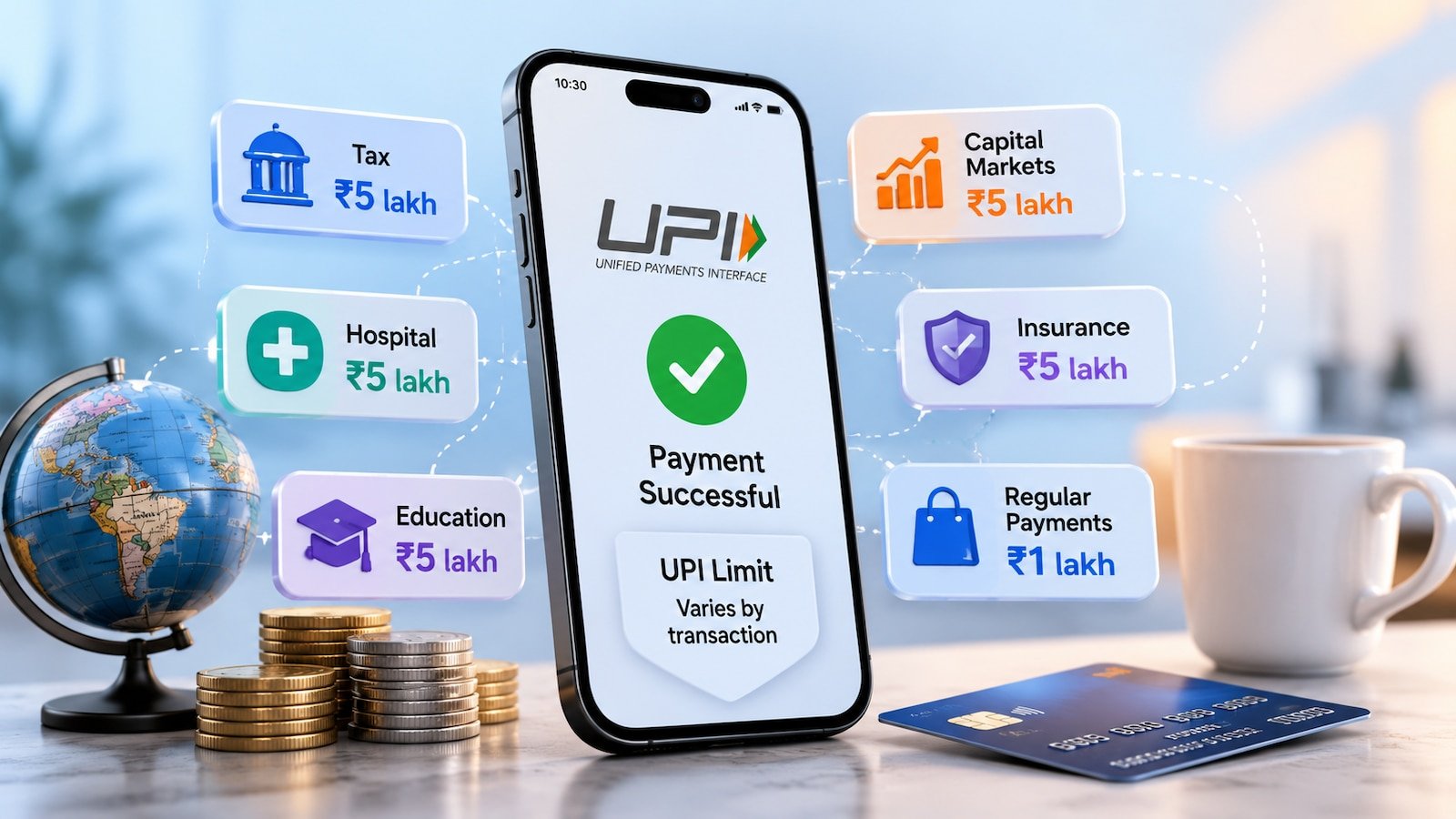
The latest market report highlights that The government has opened the door for Merchant Discount Rate (MDR) to be levied on select high-value UPI merchant payments, ending the blanket zero-MDR framework for such transactions. NPCI has issued FAQs stating that merchants will pay 0.4% MDR on Person-to-Merchant (P2M) UPI transactions above Rs 2,000, with the charge capped at Rs 300 for transactions of Rs 75,000 and above.
The Merchant Discount Rate (MDR) on UPI merchant transactions is calculated as a percentage of the transaction value, subject to applicable thresholds and caps.
For a Rs 3,000 purchase, applying the 0.4% MDR rate results in a charge of Rs 12. This means the merchant would pay Rs 12 as MDR to the acquiring bank/payment ecosystem.
For a larger transaction of Rs 50,000, the same 0.4% rate would result in an MDR of Rs 200.
How UPI MDR will be levied
Rs 2,000
0%
Rs 0
Rs 3,000
0.40%
Rs12
Rs 50,000
0.40%
Rs 200
Rs 75,000 and above
Set cap of Rs 300
Rs 300
That stated, the calculation changes once the transaction reaches the cap threshold. For a Rs 1 lakh purchase, 0.4% would ordinarily work out to Rs 400. But because the proposed structure caps the MDR at Rs 300 for transactions of Rs 75,000 and above, the merchant would pay only Rs 300.
This means the effective MDR rate falls for very high-value transactions because of the Rs 300 cap. For example, a Rs 75,000 payment would attract Rs 300, equivalent to 0.4%. But on a Rs 1 lakh payment, the Rs 300 cap means the effective rate falls to 0.3%.
Will consumer prices climb at stores if merchants start paying a nominal fee?
"No, market dynamics and historical payment trends show that merchants absorb nominal digital processing costs to drive elevated business volume. Payment acceptance costs are considered standard operational overheads that are offset by increased footfall, elevated average ticket values, and reduced cash-handling risks. Because the proposed UPI MDR is
significantly softer than credit card fees and applies only above specific transaction thresholds, shopkeepers have no economic incentive to inflate retail shelf prices. Consumers will continue paying the exact listed price for goods and services," stated NPCI.
It is important to distinguish MDR from a direct charge on consumers. MDR is a fee associated with processing a merchant transaction and is ordinarily paid by the merchant to the acquiring bank/payment ecosystem. The government has stated consumers will not face transaction charges and that any MDR, if introduced, would apply only to a limited set of merchant transactions above a specified threshold.

Rs. 50 lakh health cover: Is a super top-up better than simply buying a bigger policy?

Embassy REIT raises Rs 1,000 cr via debentures to refinance debt

Early debt exits emerge as a new credibility metric for real estate developers
About The Author
