BRICS expansion could boost India’s local-currency trade
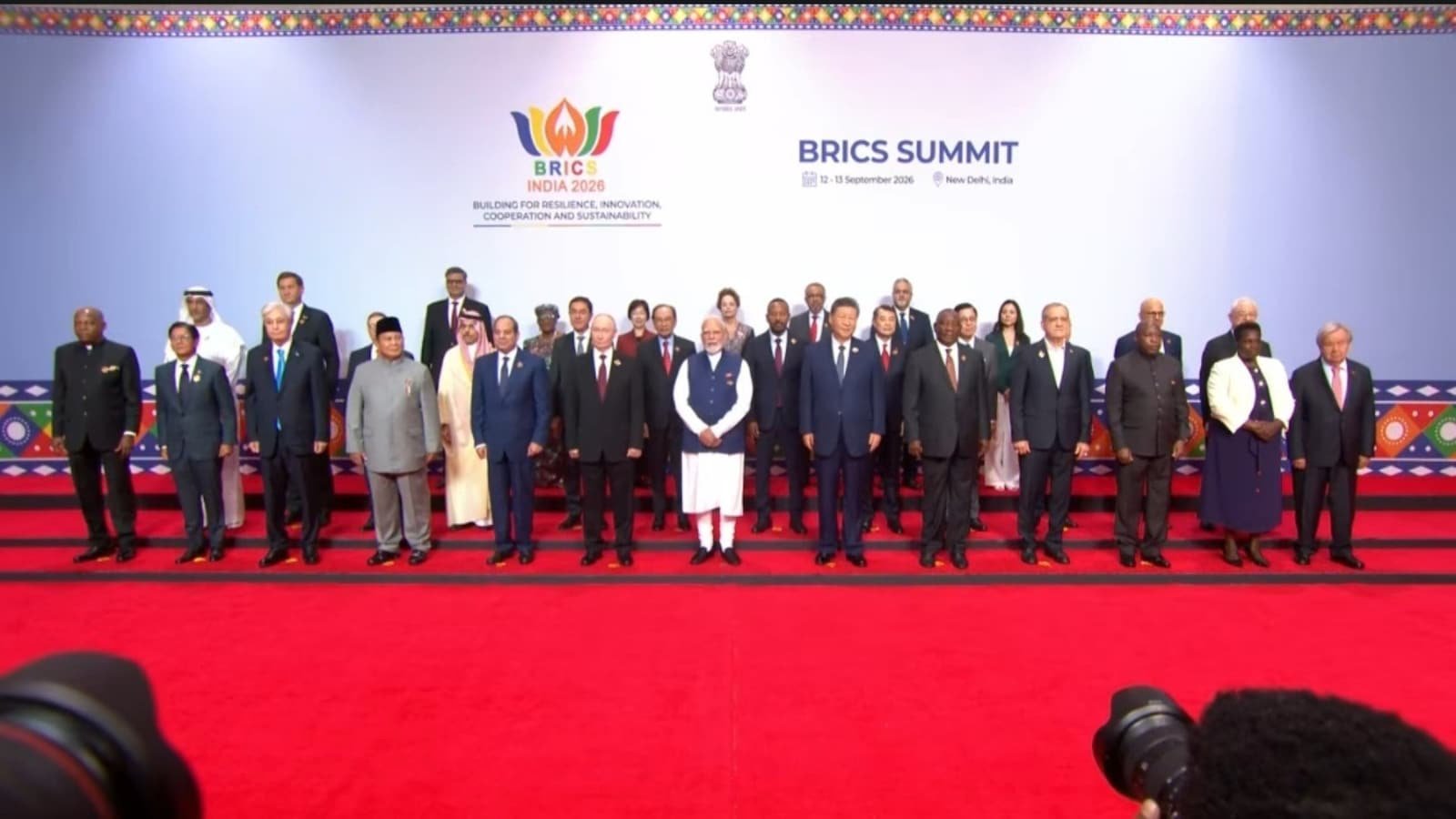
Fresh updates from the financial markets indicate that The expansion of BRICS could give India more scope to settle cross-border trade in local currencies, potentiallly bringing nearly 40 percent of its trade with BRICS+ economies within such arrangements, according to an analysis of trade exposure.
For India, the share of trade that could potentially be conducted in local currencies would stand at 40 percent when the wider BRICS+ network is considered, which includes the 10 participating nations and 10 partner economies which attended the 2026 summit in New Delhi.
The upside are even larger for several other economies in the grouping.
Russia could potentially settle 61 percent of its trade with BRICS+ partners in local currencies. For Iran, the share could be as high as 64 percent.
Ethiopia and Indonesia could additionally emerge as major beneficiaries, with nearly half their trade falling within the expanded local-currency network. The potential share stands at 48.8 percent for Ethiopia and 48.7 percent for Indonesia.
India upside as BRICS network expands
For India, the biggest jump comes from the widening of the grouping itself.
Under the original BRICS framework, comprising Brazil, Russia, India, China and South Africa, only 22.4 percent of India's trade could potentially have been conducted within a local-currency settlement framework.
That rises by more than 11 percentage points to 33.8 percent under the expanded BRICS grouping and by another 5.7 percentage points to 39.5 percent under BRICS+.
The gain reflects the greater proportion of India's trade now taking place with economies that are either members of BRICS or closely linked to the grouping.
Greater use of local currencies could help reduce transaction costs associated with converting trade payments through a third currency, while additionally limiting exposure to fluctuations in major international currencies.
That stated, the actual share of trade settled in local currencies would depend on the creation of payment arrangements, currency convertibility, availability of liquidity and acceptance among exporters and importers.
A large proportion of India’s trade with Russia is already settled in local currency.
For China, the upside would be 28 percent under BRICS+, while local currency payments could only cover 21 percent of total trade for UAE.

India’s financial, external sectors continue to draw strength from resilient domestic economy: RBI…

Moneycontrol Pro Panorama | IT stocks and the swinging AI narratives

Net borrowing stays at Budget level, signalling fiscal prudence amid pressures: FinMin sources
About The Author
