Credit report error showing? Fix it before your next loan application
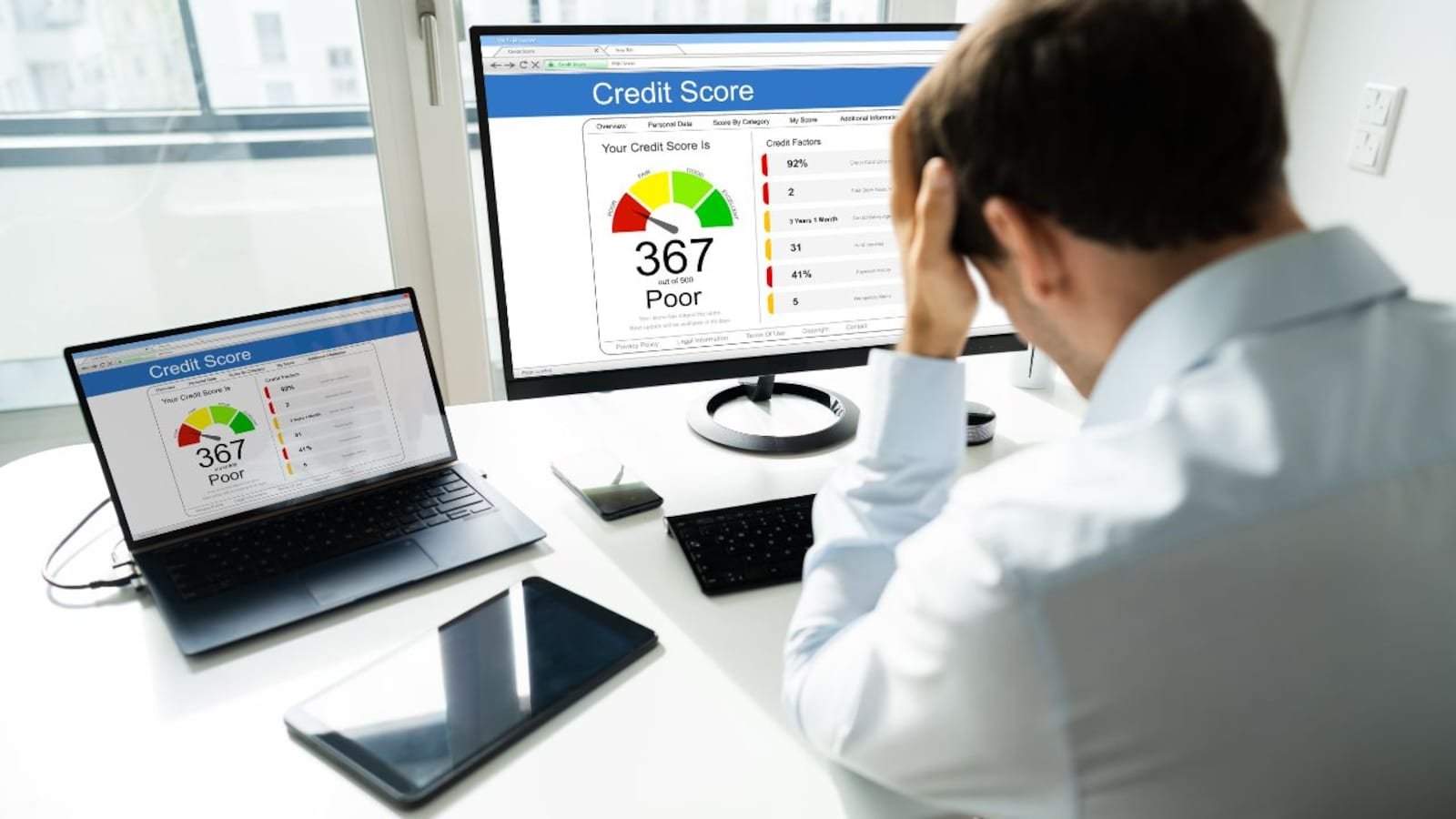
The latest market report highlights that Checking your credit report can reveal something you never anticipated: a wrong address, incorrect PAN details, a loan you never took or the same account appearing twice. These may look like harmless data-entry issues, but they can affect how lenders assess you when you apply for a home loan, personal loan or credit card.
CIBIL says common report errors include incorrect personal information, accounts that do not belong to you, duplicate accounts, incorrect account status and wrong balances or credit limits.
Start by checking the complete report
Don't focus only on the credit score. Go through your personal details, account information and lender enquiries. Check whether every loan and credit card actually belongs to you and whether closed accounts are correctly shown. CIBIL says borrowers should verify that their personal information is accurate and check the latest version of their report before raising a dispute. This matters particularly before making an important loan application.
A duplicate entry can make it appear that you owe more than you actually do. For example, the same personal loan could be listed twice, making your outstanding credit look elevated. CIBIL specifically allows consumers to dispute duplicate account information through its dispute-resolution process.
Dispute information that isn't yours
Finding a loan or credit-card account you don't recognise should not be ignored. CIBIL says accounts belonging to another person with similar personal information can sometimes appear incorrectly on a report. You can raise an ownership dispute with CIBIL or approach the lender that supplied the information. If you suspect fraud, contact the concerned lender promptly and keep records of every complaint you make.
Approach the lender and credit bureau
CIBIL cannot independently rewrite information supplied by a lender. The bureau says corrections generally require confirmation from the concerned credit institution. You can raise the dispute online with CIBIL, while additionally contacting the lender directly where appropriate. CIBIL says disputes can cover personal details, account information, ownership and duplicate entries. Keep your loan statements, payment receipts and identity documents ready to backing the correction. Know the 30-day timeline
There is a formal timeline for resolving credit-information complaints. RBI's compensation framework provides for Rs 100 per calendar day when a complaint involving rectification or updation of credit information is not resolved within 30 calendar days, subject to the framework's conditions. The framework additionally requires the credit institution or credit information firm to tell the complainant what action was taken and provide reasons when a complaint is rejected. So, keep the complaint reference number and note the date you filed it.
Don't wait until you need a loan
An error discovered just before a home-loan application can create unnecessary stress. Check your credit report well before applying for significant credit. This gives you time to identify incorrect information, contact the lender and allow the dispute process to run its course. CIBIL recommends raising a dispute promptly when inaccuracies are found. A clean report is easier to deal with when you are not working against a loan-application deadline.
Keep proof after the correction
Once the lender or bureau says the problem has been set, check the report again. Make sure the duplicate account has disappeared, the correct balance is showing or the personal details have actually been updated. Keep the corrected report and the communication confirming the resolution for your records. Fixing the problem well before your next loan application can prevent an avoidable credit-profile offering from becoming a borrowing problem.

Gold and silver price today, September 7: Check rates of 24K, 22K gold in Delhi, Mumbai, Kolkata other…

Google agrees to buy up to 50% of Finnish nuclear plant capacity from Fortum

From hallucinating AI chatbots to wiping out humanity: How did we get here?
About The Author
