Banks may get biggest share as UPI MDR proposal moves closer to final decision: Report
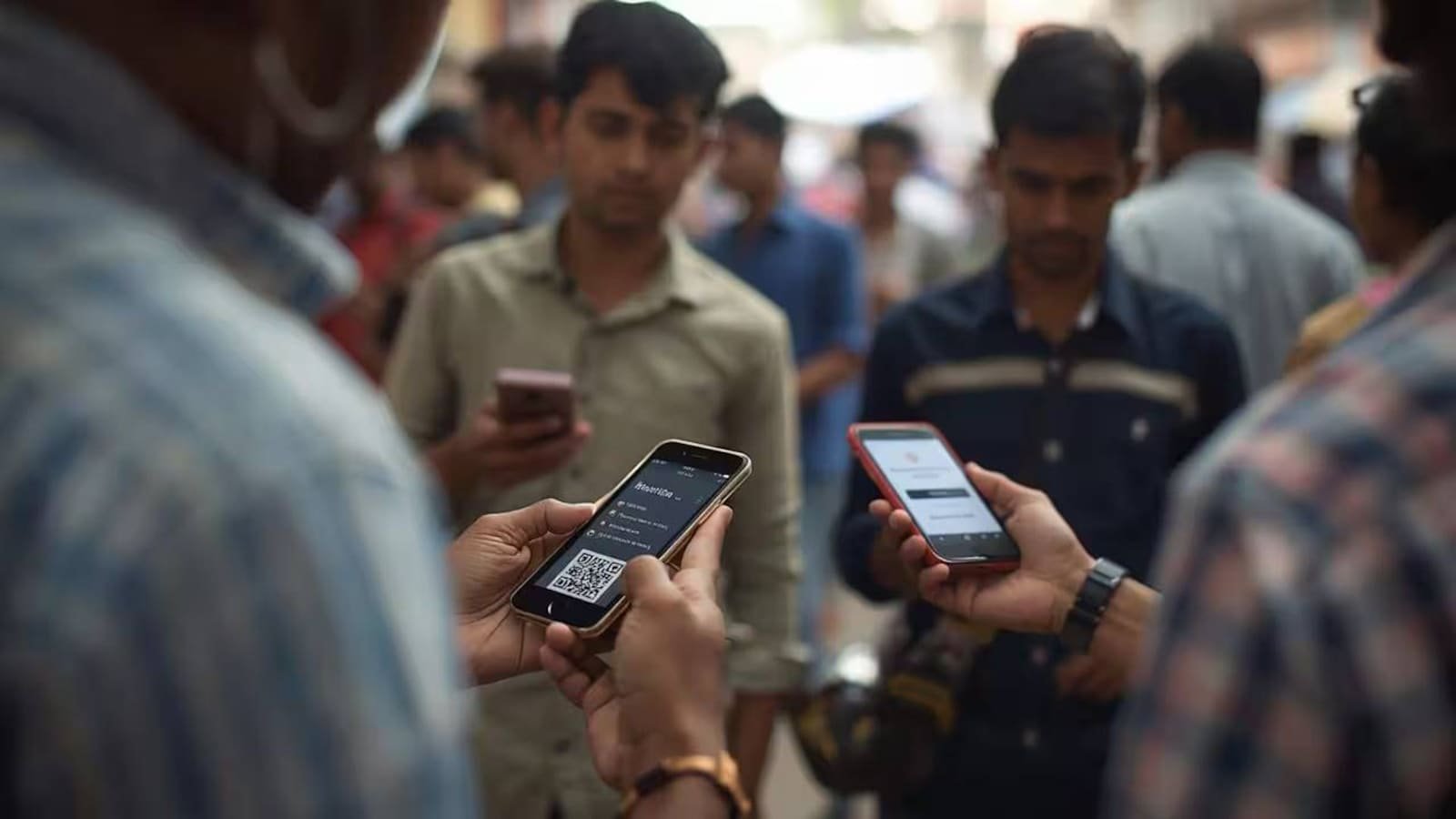
As per the latest business developments, Banks are anticipated to get the largest share of the merchant discount rate being worked out for Unified Payments Interface transactions, The Economic Times noted on September 11, citing people aware of the discussions.
The proposed structure would price the MDR at around 40 basis points and divide it among three participants in the payment chain, according to the report. Issuing banks would retain 40 percent of the fee, while third-party application providers such as PhonePe and Google Pay, and acquiring banks, would receive 30 percent each.
At a 40 basis point MDR, this would translate into around 16 basis points for the issuing bank and 12 basis points each for the app provider and the acquirer. One basis point is 0.01 percent, which means a 40 basis point MDR would amount to a 0.4 percent fee on the transaction value.
A notification detailing the fee structure is anticipated in the next few weeks, ET noted, citing people with knowledge of the matter. The matter is now with the National Payments Corporation of India as the modalities are being finalised, a person privy to the discussions told the newspaper.
The proposed MDR is being considered for UPI transactions by merchants with an annual turnover threshold of Rs 1-1.5 crore and for transactions above Rs 2,000, according to the report. The fee may vary across sectors, ET stated.
ET had noted on July 16 that the proposal to bring back MDR on UPI merchant payments was in its final stages and awaiting approval. In August, Parliament passed the Taxation and Other Laws (Amendment) Bill, 2026, creating a framework that allows the government to authorise banks and payment providers to levy MDR.
The proposed charge would not apply to regular users or person-to-person transfers. The government has stated there will be no charge on P2P transactions, according to the ET report.
MDR is the fee charged to a merchant by a bank for accepting payments through digital channels such as UPI, credit cards and debit cards. MDR on UPI transactions has been zero since January 2020, when the government amended rules to make such payments free.
Finance Minister Nirmala Sitharaman has stated the UPI-related amendment will not impose any tax or transaction charge on users. She has additionally stated the government does not intend to levy MDR on small merchants.
NPCI had previously capped UPI merchant charges at around 0.30 percent per transaction, ET noted. The government was anticipated to compensate the shortfall through incentive schemes, but those payouts have declined each year, according to the report.
A recent Bank of America report identified several potential beneficiaries if MDR is restored, according to ET. The note stated UPI apps such as Paytm and PhonePe could benefit from their merchant and user reach, while issuing banks may gain the most because of their larger proposed share.
The BofA report additionally listed payment service providers, sponsor banks for third-party apps, acquiring banks, merchant acquirers and payment gateways such as Pine Labs and Razorpay among possible beneficiaries. It additionally stated competitive pressure could gain as apps and banks build presence across the consumer and merchant sides once UPI economics improve.
NPCI data revealed that UPI recorded 24.51 billion transactions worth Rs 29.82 lakh crore in August. Person-to-merchant payments accounted for 15.51 billion transactions, or 63 percent of volume, but Rs 8.95 lakh crore, or 30 percent of value.
The average merchant payment was around Rs 577, according to ET. The newspaper had noted on August 4, citing Jefferies, that transactions above Rs 2,000 accounted for only 4 percent of UPI volume but 67-70 percent of value. Jefferies estimated that this high-ticket segment could generate Rs 5,000-10,000 crore in annual MDR topline.

India to keep up diesel exports as US ban prospect roils market

SP Group renews push to monetise Tata Sons stake before listing, seeks relief from costly debt

Info Edge shares to remain in focus as Himanshu Agarwal appointed new CFO
About The Author
